-
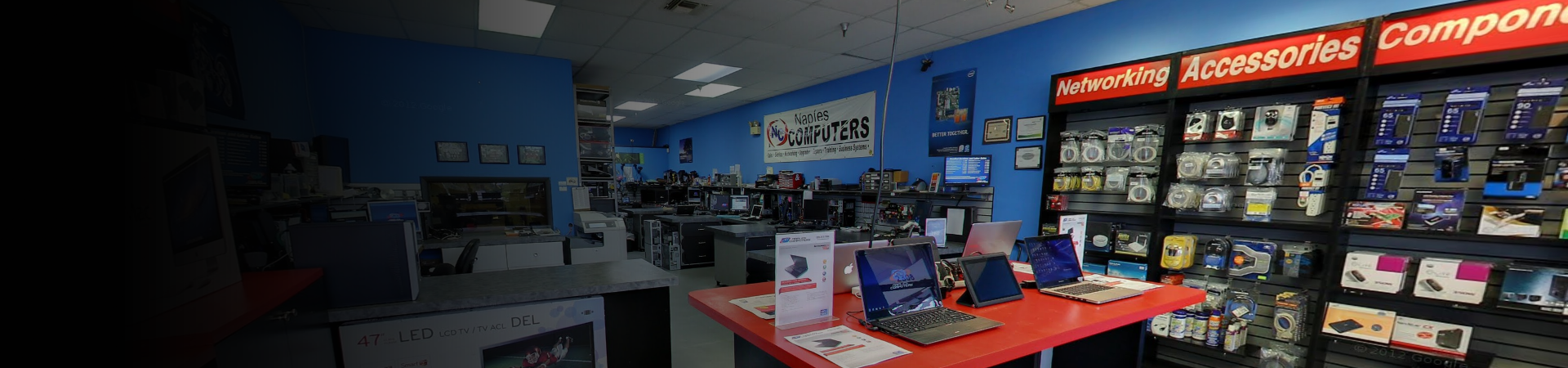
Naples Computers Call today for all your support needs!239-513-1960
Sales · Service · RepairsLaptops ∙ Desktops ∙ TabletsServers ∙ Workstations ∙ Managed Services
-
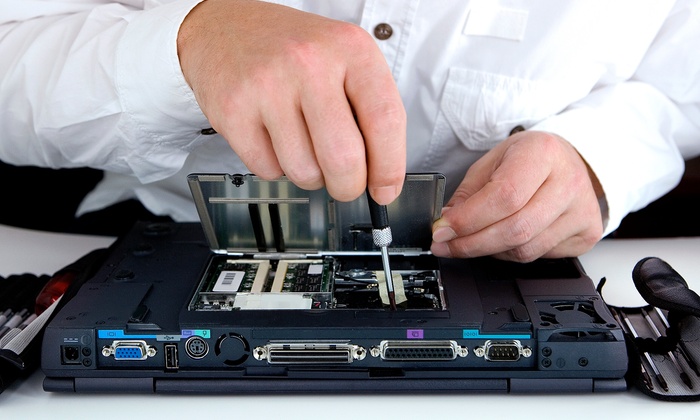
Computer Repair
Read MoreExpert computer diagnostic and repair for your laptop, desktop, and Mac, connected devices and/or software applications.
Our tech experts will resolve conflicts and compatibility issues with software application or hardware running on your laptop or desktop. We will diagnose and troubleshoot both software and hardware errors on your laptop or desktop, and customize the application for your needs. We will also ensure a full data backup of your hard drive's information before beginning the repair.We promise the lowest wait-time and highest resolution rate in the industry.
-
Virus & Malware Removal
Read MoreNaples Computers, Inc. provides expert laptop, and desktop virus and spyware removal services...
Does your computer seem sick? Malicious software may be to blame.
This malicious software may be in the form of a virus, adware or spyware. Many users are not really interested in the actual difference between them - the mere fact that they can wreak havoc on your system and result in anything from poor performance to a complete computer failure is enough to know they need to be avoided!
Our experienced technicians are experts in both neutralizing these threats and, more importantly, providing a solution to help ensure they don't crop up again in the future. -
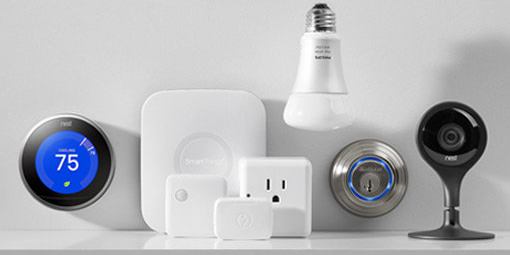
Smart Home
SIMPLIFY YOUR LIFE & SAVE THE SMART WAY, WITH HOME AUTOMATION
Read MoreA remote-controlled home is no longer the stuff of futuristic fantasy. New home automation devices let you transform virtually any house into a push-button smart home easily controlled with a tablet, computer or smartphone.
Start saving energy and money with a smart light bulb, which lets you turn your lights on and off from your phone. One of the most valuable home automation devices is the smart thermostat. Saving as much as 30% on your annual home energy use, a smart thermostat is easy to install and allows you to set your desired temperature without the system running for longer than needed.
WiFi Network Services
Read MoreThe wireless networking market is growing rapidly as users discover the productivity benefits of going wire-free. The increased mobility that WiFi networks offer has proved beneficial in operations throughout manufacturing facilities, warehouses, transportation depot, hotels, airports, hospitals, colleges, large enterprises as well as convention centers. In the corporation, conference rooms, public areas, and branch offices constitute ideal venues for wireless LANs (WLANs).
More recently, the average home has multiple devices that require WiFi networks for multiple reasons. Smart phones, Televisons, BlueRay players, Streaming Devices such as FireTV, AppleTV, and XBox's all require Wireless Networks for their services to function.
Naples Computers can make your entire Home or Office Wireless and eliminate any deadspots while allowing for faster data speeds and increased user traffic.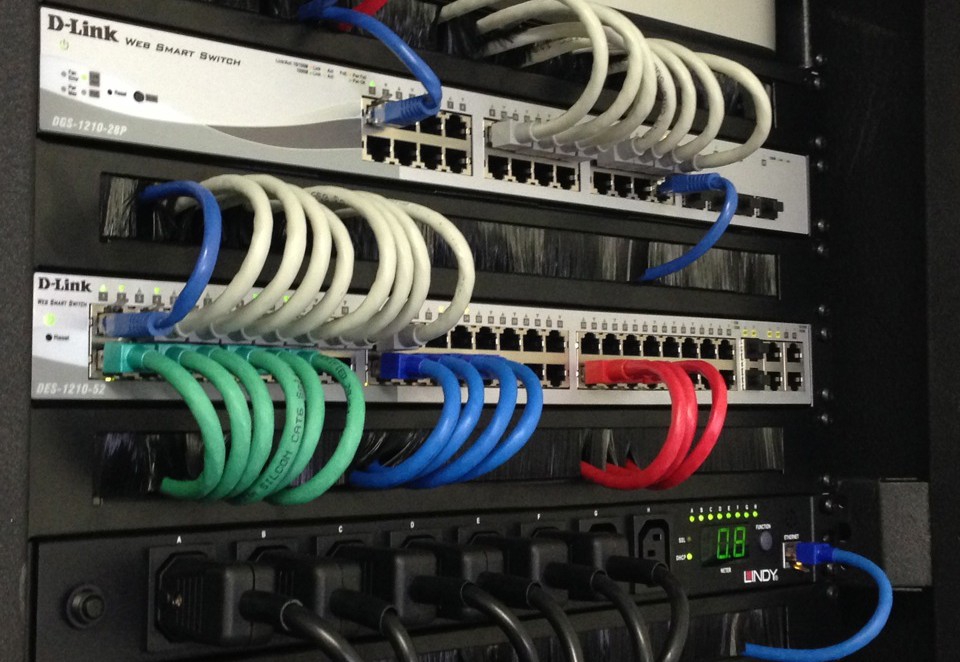
Network Services
Read MoreNetworking Services Overview
Your network is more central to your business processes than ever before. You don't need to be reminded that network outages and security lapses can be devastating. You need a technology partner that can help your business get the most out of its network and keep it up and running 24 x 7 x 365. Naples Computers, Inc. is suited to help your business accomplish its goals. Let Naples Computers, Inc. handle the technology so that you can focus on what you do best, your business.
Managed Services
Read MoreTo keep up with your competitors in today’s business world, you need to use the latest technology. For a small or medium-sized business, it’s difficult, not to mention frustrating and time-consuming, to keep up with constantly changing hardware and software and provide the support needed to use it. Naples Computers, Inc. is a managed service provider that provides your SouthWest Florida company an ideal solution: Our managed IT services programs, which give you the support and services you need for all your computers, networks, servers, and more, without the expense of doing it all in-house.
System TuneUp
Read MoreSystem TuneUp
Over time unnecessary files, start-up programs, and other clutter can cause your PC to slow to a crawl. You depend on your computer, so sluggish operation can cause endless frustration. You could spend hours figuring out how to fix the problem yourself, with or without success. You might even consider giving up on your current computer and buying a new one.
Naples Computers, Inc. Remote Tech service is a faster, more convenient, and more economical solution to your slow PC problem. Your Naples Computers, Inc. expert will remotely clean up, tune up and speed up your entire system over the Internet so your PC runs like new again. And you can get this service right now, without leaving the comfort of your home or office.
Data Recovery
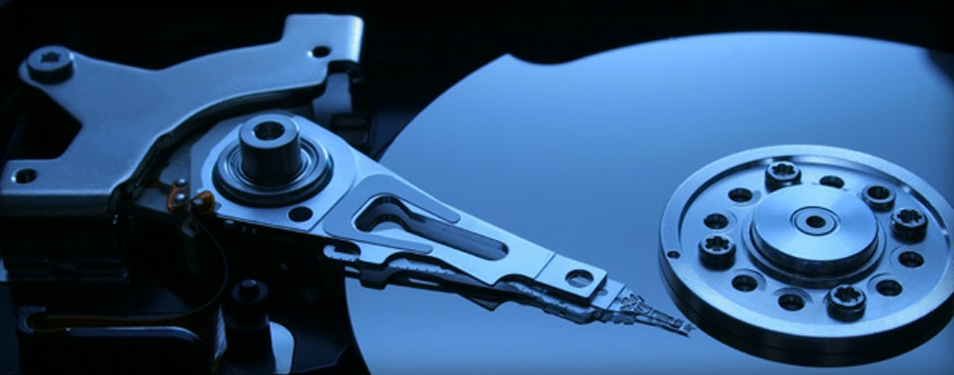
Read MoreTake the expertise of 23 years of PC service in Naples, the most extensive set of data recovery tools and processes, and an unmatched commitment to exceptional customer service and you have the perfect equation for solving data loss problems.
Your system has just crashed and you need your pictures, word documents, excel files or the email's as soon as possible? Whatever the problem is, you came to the right place.
Data Recovery is a simple procedure (only time consuming) as long as the BIOS recognizes it and the hard drive turns on (make sure to meet our Data Recovery Requirements ) which is the case 80% of the time. Only in about 20% of the cases when the hard drive has physical damage.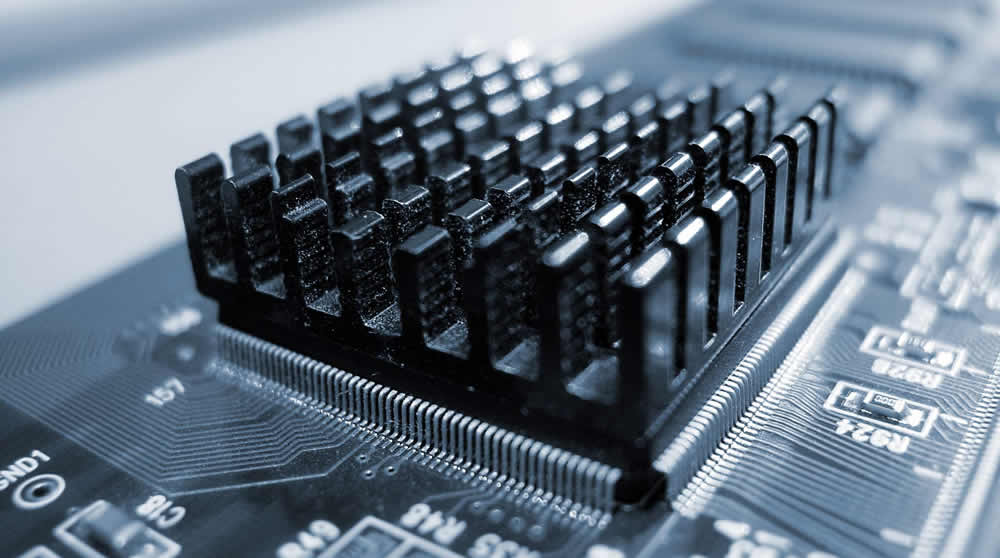
Hardware Installation
Read MoreHardware installations can be intimidating even for people who are computer-savvy.
Whether you're adding a scanner, a bigger disk drive, more memory, or any number of other hardware upgrades or replacements, Naples Computers can help. We can provide the best recommendations for achieving your goals, the best brands and most cost-effective sources from which to obtain parts. We can also provide parts directly, and install them for you, while guaranteeing that things will work when it's all put back together.
We can help with all your electronics needs. From installing your new computer, mounting flat screen TV's, setting up your new AppleTV, installing a new router, Speaker installation, Universal Remotes, and much more....
Network Wiring
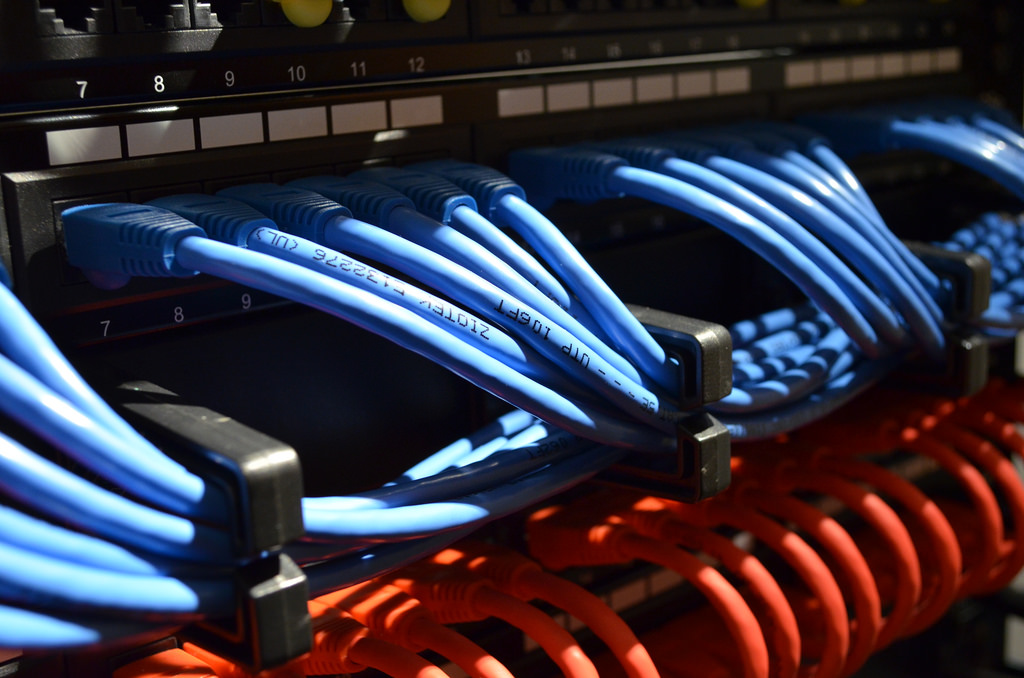
Read MoreWe at Naples Computers provide professional and affordable installation services of cat 5, cat 6, and coaxial cable for data and voice network infrastructure at large, commercial scale as well as for small business and residential facilities.
We will help you determine which is best for your business or IT operations, based on your current situation and also taking into consideration your future plans of growth or diversification. Cat5 is the most widely used cable in the industry today with application suitable for both voice and data. Its bandwidth capabilities far exceed the requirements for most voice applications and it satisfies the bandwidth needs for most data and networking systems used today.

Consulting Services
Read MoreBest Small Business IT Consulting and Network Support
Naples Computers, Inc. offers professional, dependable small business IT services, including small business IT consulting and small business network support. As an experienced consulting firm, we engage advanced IT strategy and management to provide the best information technology support services. Naples Computers, Inc.is dedicated to being your network support specialists.
Naples Computers, Inc. offers network support services, information technology consulting expertise and IT consulting solutions for the entire line of Microsoft Enterprise Servers, Windows Server, and Microsoft Dynamics applications. Naples Computers, Inc.'s network setup, management, tech consulting, IT strategy, support services include network architecture, installation, and deployment.
Custom Computers
Read MoreCustom Built Computers
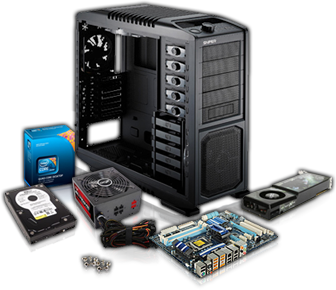
If you are looking to either build or fix a custom built computer, we have a variety of services that can help you get it done. Many people choose to build a computer rather than buying a pre-configured desktop because it allows you to further customize the computer to your specific needs.

 Windows Download
 Mac Download


-
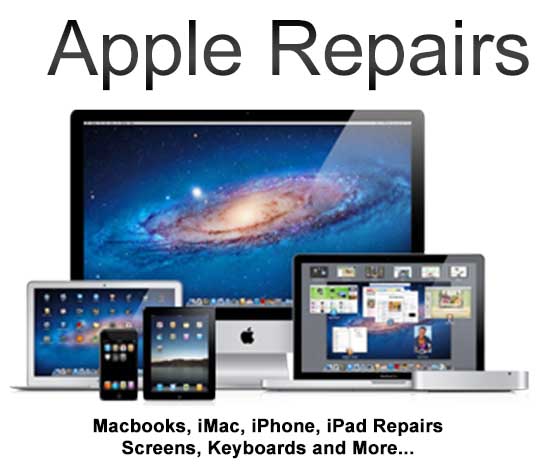
Screen Repairs, Hard Drive Replacements, Memory Upgrades, Battery Replacement, and Much More...
- 1
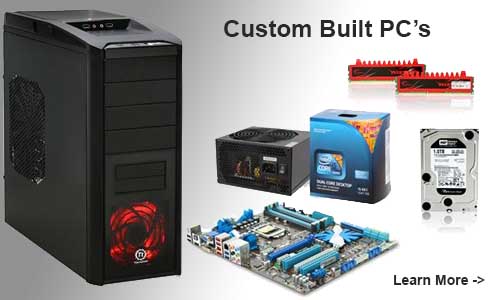
Naples Computers can build you a custom PC for any Need. Learn More
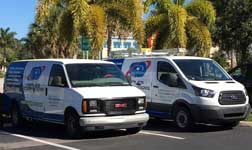
We come to you! Call today to schedule a service call! Commercial & Residential
239-513-1960